
-
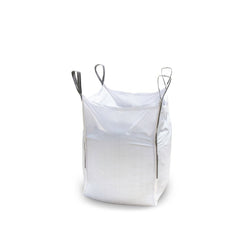
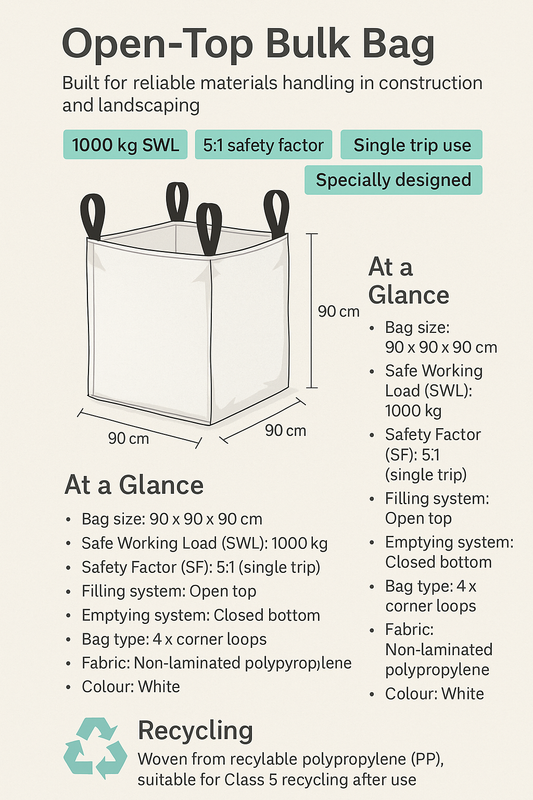 SKU: OC90X90U
1.0 Tonne - U Panel - Open Top Closed Bottom - Bulk Bag - 90 x 90 x 90 CM
Regular price From $94.99 AUDincl. GSTRegular priceUnit price per -
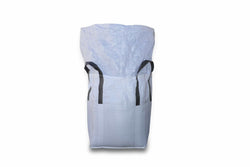
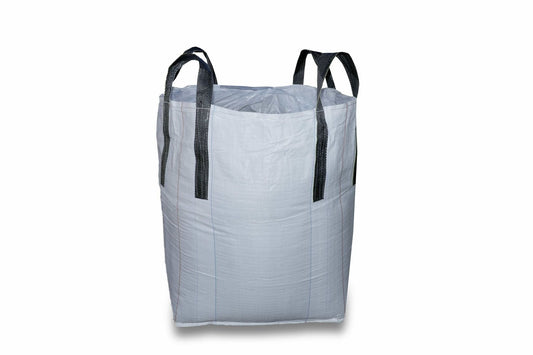 SKU: DC60J60
500 KG - Duffle Top Closed Bottom - Bulk Bag- 60 x 60 x 60 CM
Regular price From $79.01 AUDincl. GSTRegular priceUnit price per -
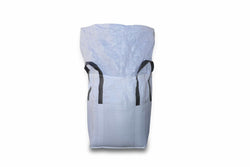
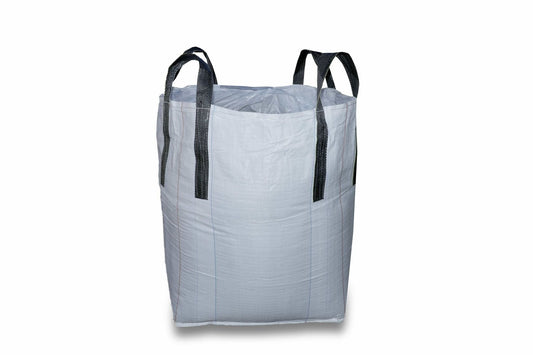 SKU: DC95Y140
1.25 Tonne - Duffle Top Closed Bottom - Bulk Bag- 95 x 95 x 140 CM
Regular price From $153.99 AUDincl. GSTRegular priceUnit price per -
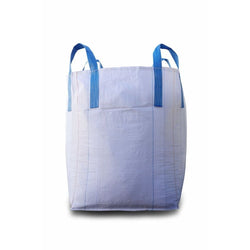
 SKU: OC90Z120
1.5 Tonne - Open Top Closed Bottom - Bulk Bag - 90 x 90 x 120 CM
Regular price From $134.39 AUDincl. GSTRegular priceUnit price per -
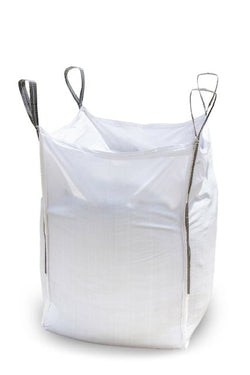
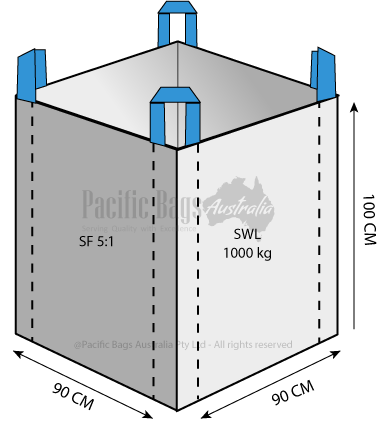 SKU: OC90X100U
1.0 Tonne - U Panel - Open Top Closed Bottom - Bulk Bag - 90 x 90 x 100 CM
Regular price From $99.99 AUDincl. GSTRegular priceUnit price per -
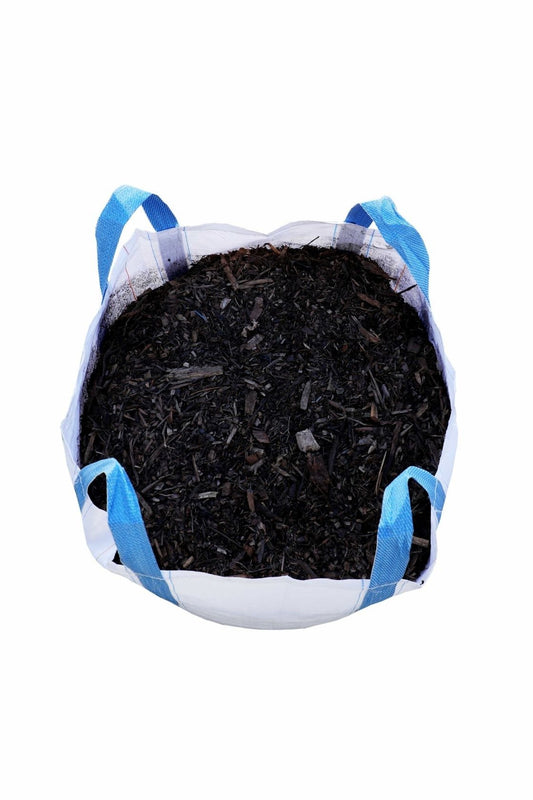 SKU: OC90X100
1.0 Tonne - Open Top Closed Bottom - Bulk Bag - 90 x 90 x 100 CM
Regular price From $107.51 AUDincl. GSTRegular priceUnit price per -
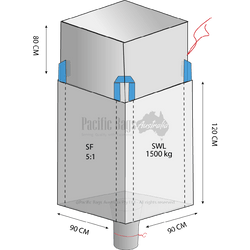
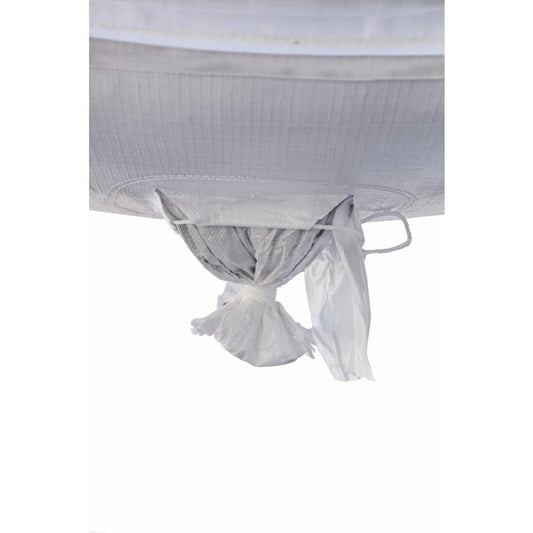 SKU: DS90Z120
1.5 Tonne - Duffle Top Spout Bottom - Bulk Bag - 90x90x120 CM Pack of 5
Regular price From $151.19 AUDincl. GSTRegular priceUnit price per -
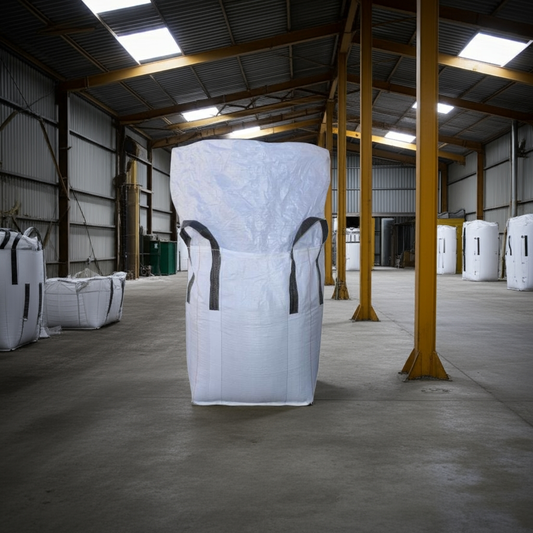 SKU: DC90X100
1.0 Tonne - Duffle Top Closed Bottom - Bulk Bag- 90 x 90 x 100 CM
Regular price From $136.72 AUDincl. GSTRegular priceUnit price per -
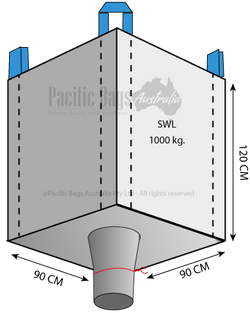
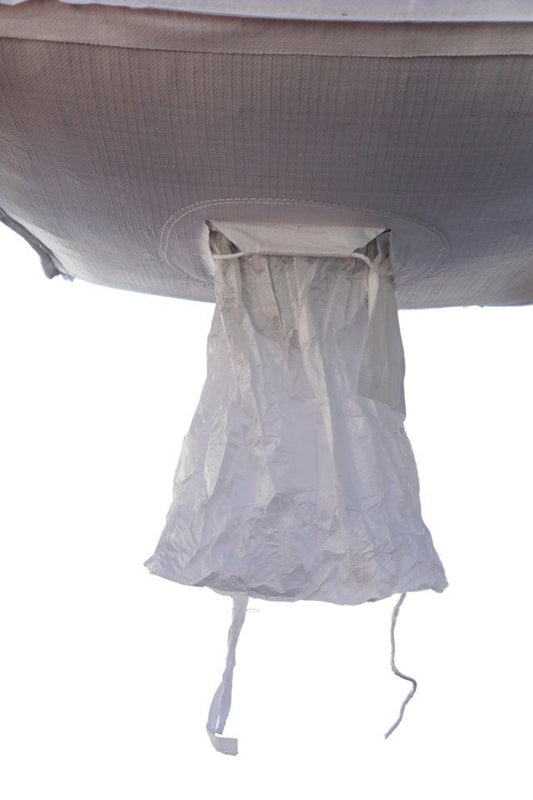 SKU: OS90X120
1.0 Tonne - Open Top Spout Bottom - Bulk Bag - 90 x 90 x 120 CM
Regular price From $109.75 AUDincl. GSTRegular priceUnit price per -

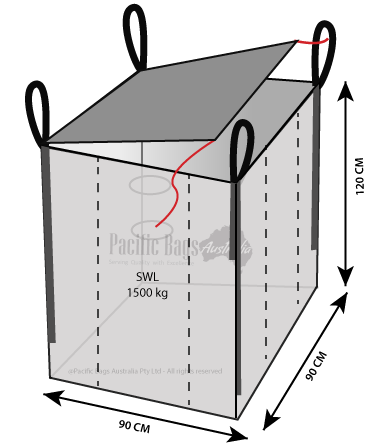 SKU: FC90Z120U
1.5 Tonne - U Panel - Top Lid / Flap Closed Bottom - Bulk Bag - 90 x 90 x 120 CM
Regular price From $123.19 AUDincl. GSTRegular priceUnit price per -
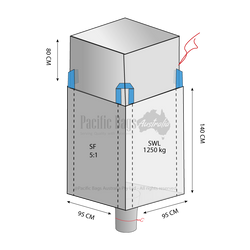
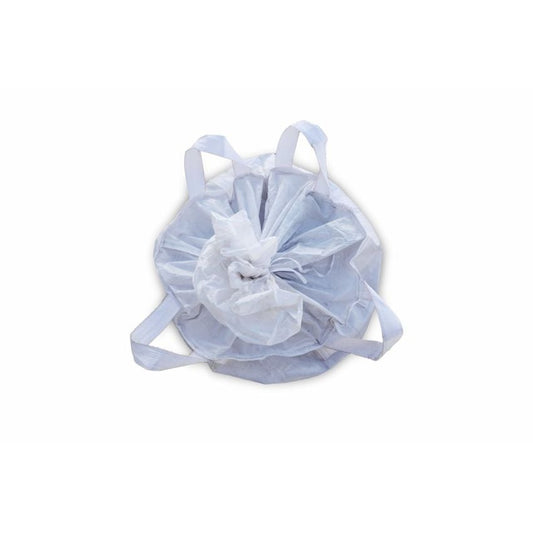 SKU: DS95Y140
1.25 Tonne - Duffle Top Spout bottom - Bulk Bag - 95x95x140 CM
Regular price From $172.47 AUDincl. GSTRegular priceUnit price per


Blog posts
-
Complete Guide to Choosing the Right Firewood Bag Storing firewood without the right packaging is a fast way to spoil the wood. Moisture creeps in, wood degrades before use, and loose bundles become a handling headache at every point. Why the right firewood bag makes a difference A good firewood bag actively contributes to keeping wood in burnable condition. Airflow, breathability, and keeping firewood dry Firewood needs to breathe. Water trapped inside a sealed or poorly ventilated bag accelerates mould growth, increases smoke when burning, and reduces heat output. A bag with a woven polypropylene construction allows continuous airflow through the fabric weave. Moisture escapes naturally rather than condensing against the wood, so properly seasoned splits stay dry and ready to burn. Easy to carry, stack, and store Bags designed for wood need to handle sharp edges, irregular shapes, and repeated movement without tearing at the seams or losing their shape mid-carry. Woven PP delivers the strength needed for the job while remaining manageable when empty. Gusseted base designs allow bags to stand upright during filling and sit stable on shelving, a practical advantage whether you're packing bags yourself or buying pre-filled from a retailer. Types of woven polypropylene firewood bags available Pacific Packaging's firewood bag range covers plain and printed options across multiple sizes, with formats suited to home storage and retail purchase. Transparent woven PP bags: Clean, functional option for storing or transporting firewood without any printed labelling. 45 CM × 75 CM: The most commonly used firewood bag size suits the majority of general applications, home fire pit bundles, fireplace wood, and standard retail loads all fit comfortably. Dimensions stack efficiently and handle well during carry and storage. 41 CM × 66 CM: Smaller bundles or lighter wood types benefit from a more compact fit. The 41 × 66 cm transparent woodfire bag keeps contents snug, prevents shifting during transport, and takes up less storage space when stacked. Printed woven firewood bags: Printed bags carry product information, branding, and weight details directly on the bag. Supplied in a gusseted base format, bags stand upright independently, filling is faster, display is neater, and the overall presentation is significantly more polished than plain alternatives. 50 × 80 cm: For heavier quantities or high-volume packing, plain white firewood bags at 50 × 80 cm handle the load. Unprinted construction keeps cost per unit straightforward, while the larger dimensions and woven PP construction deliver the same breathability and strength as every other bag in the range. Why woven polypropylene is the best material for firewood bags Material choice has a direct impact on how wood holds up between packing and use. Woven polypropylene bags outperforms alternatives across the conditions firewood actually encounters. Breathability and airflow: keeping moisture out Woven PP fabric is made by interlacing flat polypropylene tapes into a structured weave. Air moves through the fabric continuously, letting vapour escape rather than accumulating inside the bag. Wood stored in woven PP bags stays at the humidity level it was packed at, seasoned wood stays seasoned rather than absorbing ambient humidity over time. Strength for heavy, awkward loads Split firewood is sharp, heavy, and irregular in shape, all qualities that test packaging quickly. Woven polypropylene handles abrasion and puncture pressure far better than standard poly bags, with seams that hold under load and fabric that resists tearing even against rough-edged hardwood. UV stability for outdoor storage Firewood regularly lives outdoors for weeks or months at a time. Standard polypropylene becomes brittle under prolonged UV exposure and tears easilyRead article
-
Floodwaters don't wait for preparation. Whether bracing for a major storm event or responding to rising water near your property, sandbags remain one of the most effective, affordable, and widely available flood mitigation tools available to Australian homeowners and businesses. Woven polypropylene sand sacks work by creating a physical barrier that redirects or absorbs water before reaching doors, drainage points, and structural foundations. Deployed correctly, a well-constructed sandbag wall can mean the difference between a manageable cleanup and significant, costly property damage. This guide covers everything needed to use sand bags effectively, from selecting the right bag through to safe disposal once floodwaters recede. Which sandbag should you choose? Not all sand bags suit every application. Choosing the right style upfront saves time under pressure and ensures reliable performance when conditions deteriorate quickly. Standard tie-up sandbags for flood protection Tie-up sand sacks are purpose-built for emergency flood response. Constructed from heavy-duty woven polypropylene with an integrated closure tie, filled bags seat firmly against each other when stacked, reducing gaps that allow water to infiltrate. The benefit: you get a bag that holds position, seals against adjacent bags, and closes securely, without requiring additional fastening equipment on site. Sandbags without ties, faster to fill and stack For high-volume deployments where speed outweighs all else, plain open-top sandbags suit councils, SES units, and property owners pre-stocking ahead of flood season. Once filled and folded at the top, these sand sacks stack securely without individual fastening. The benefit: faster filling, less fatigue per person across large-scale deployments, and no tie material to manage on site. Where to get sandbags Local council sandbag collection points During declared flood emergencies, most Australian councils activate designated sandbag collection depots. Locations shift depending on each event, so monitor your local council's emergency alerts page for updates. Buying sandbags online in Australia Pacific Packaging supplies sand bags direct to homeowners, councils, construction companies, and emergency management organisations across Australia, with warehousing in Melbourne, Brisbane, Sydney, Perth, Townsville, and Rockhampton. How many sandbags do you need? A standard single-row sandbag wall typically requires three to four bags per linear metre of wall, per layer. For a doorway approximately one metre wide with a wall height of 60 cm, roughly three layers, expect between nine and twelve bags per opening. Larger properties with multiple entry points, garage doors, floor drains, and low-lying sections can require 50 to 200 bags or more depending on flood risk level. Pre-calculating requirements before a weather event, rather than estimating under pressure, is strongly recommended. How to fill a sandbag What to fill sandbags with Coarse sand remains the preferred fill material. Particle size between 0.5 mm and 2 mm allows bags to compress and conform to uneven surfaces without fine material washing through the weave under pressure. When sand is unavailable, fine gravel or local soil can substitute, however, clay-heavy soil becomes rigid when wet and doesn't conform as effectively. Whatever material is sourced, avoid fill containing large stones, organic matter, or debris that could puncture bag fabric under sustained load. How full should a sandbag be? Filling bags to approximately two-thirds capacity is correct practice. Overfilled sand sacks become rigid, stack poorly, and leave visible gaps along seams. Under-filled bags lack sufficient mass and shift under water pressure. How to lay sandbags correctly How to build a sandbag wall What you'll need: Filled sand bags, a plastic sheet or tarpaulin as a moisture barrier, and a second person to assist with positioning. Clear debris from the surface where bags will be placed. Loose material beneath bags reduces wall stability significantly. Lay a plastic sheet along the foundation line, water wicks under bags via capillary action, and a barrier reduces seepage considerably. Place first-layer bags lengthways, parallel to water flow, with folded or tied ends tucked beneath each bag. Stagger second and subsequent layers like brickwork, each bag should bridge the join between two bags below. Tamp each bag down firmly by pressing or standing on briefly to eliminate air voids and create a flat, stable surface for layers above. Continue building upward, staggering joints consistently, until reaching the required height. A two-to-three layer wall handles most residential flooding scenarios. Beyond three layers, wall width at the base should increase proportionally to prevent toppling under sustained water pressure. How to use sandbags to block toilets and floor drains Floodwater entering through drainage points is a commonly underestimated entry pathway. When external water levels exceed interior floor height, back-pressure forces water up through toilet bowls, floor gullies, and laundry drains. Fill a sand sack to approximately half capacity, a lighter, more pliable bag conforms better to curved toilet bowl shapes. Lower bags directly into toilet bowls, pressing firmly to seal around ceramic bases. For floor drains and gullies, place a filled sand bag over each drain opening, ensuring full coverage of drain surrounds. Place a second bag on top to add weight, back-pressure from external floodwater can dislodge single bags over time. How to sandbag showers and sinks Floor-level shower recesses and sink drainage points require the same approach as floor drains. Half-filled bags placed over drain openings and weighted with a second bag provide adequate resistance against backflow in most residential flood events. For shower recesses with wall-mounted drainage, pack sand sacks around the perimeter of recesses first, then place bags directly over drain covers. Pay particular attention to any floor penetrations connecting to external drainage lines. Where to place sandbags around your property Where water is approaching from multiple directions, focus resources on building one solid barrier along the primary approach side rather than spreading bags thinly around an entire perimeter. Prioritise entry points in this order: Ground-level doorways Garage doors Sliding door thresholds, and any openings where external ground level sits lower than interior floor level Secondary priorities include subfloor vents, utility penetrations at ground level, and any low-point drainage connections to external stormwater systems. Pairing bags with a continuous plastic sheet or tarpaulin draped from the outer face of the wall and weighted at the base creates a substantially more effective combined barrier than sand sacks used alone. Frequently asked questions Do sandbags actually stop floodwater? Sand bags slow and redirect water rather than stopping flows entirely. Woven polypropylene weave allows minor moisture transfer, pairing bags with a plastic sheet barrier significantly improves performance. For most residential flood events, a correctly constructed two-to-three layer wall provides meaningful protection at entry points when deployed before water arrives. Can sandbags be reused after a flood? Reuse depends on contamination level and bag condition. Bags that held clean fill and show no structural damage can be emptied, cleaned, dried, and stored for future use. Bags that contained floodwater-contaminated fill should be emptied at council-designated disposal sites. What size sandbag is best for home flood protection? A 36 × 85 cm tie-up sand bag is the format most commonly used by Australian emergency services for residential flood response. At two-thirds fill, each bag reaches a workable weight for single-person handling while providing sufficient mass to hold position under moderate water pressure. How far in advance should you prepare sandbags? Pre-season preparation is always preferable. Stocking a supply of empty sand sacks before storm season begins ensures bags are on hand when needed, without competing for limited emergency supplies during an active event.Read article
-
When it comes to sourcing bulk bags, most procurement teams default to the familiar. If a supplier has been “good enough”, change can feel risky. But in today’s market, where compliance, freight costs, lead times and quality standards directly impact your bottom line, reviewing alternative bulk bag suppliers is not just smart, it is strategic. At Pacific Packaging Australia, we regularly work with businesses who are exploring new supply partners for FIBC bulk bags, woven polypropylene sacks and customised packaging solutions. Here is why more Australian businesses are re-evaluating their supply chain, and what to look for when adding Pacific Packaging to your shortlist. Why Exploring New Bulk Bag Suppliers Makes Commercial Sense 1. Strengthening Supply Chain Resilience Over the past few years, supply disruptions have highlighted one reality, relying on a single source is risky. By engaging with additional bulk bag suppliers, you can: Reduce dependence on one manufacturer Improve negotiating power Mitigate delays caused by freight or production issues Build contingency stock strategies Pacific Packaging Australia supports customers with consistent stockholding, multi-location distribution across Melbourne, Brisbane, Sydney, Perth and Townsville, and structured inventory planning for high-volume users. 2. Competitive Pricing Without Compromising Quality Pricing in bulk packaging is not just about unit cost. It is about total cost of ownership. A lower-cost bag that fails, tears or underperforms can cost significantly more in: Product loss Workplace downtime Re-handling Compliance risk Our woven polypropylene and FIBC bulk bags are manufactured to international quality standards and designed for Australian industrial conditions. We prioritise durability, reinforced stitching, UV stability and consistent load ratings, so your packaging performs under real-world conditions. 3. Compliance and Certification Matter More Than Ever In industries such as construction, agriculture, waste management and mining, compliance is not optional. Modern FIBC bulk bags should align with ISO 21898:2024 guidance, ensuring tested performance and defined safety factors for single-trip use. When exploring new suppliers, always ask: What is the Safe Working Load (SWL)? What safety factor applies, 5:1, 6:1 or higher? Is the manufacturing process quality controlled? Can documentation be provided? Pacific Packaging ensures clear SWL ratings, documented specifications and transparent manufacturing standards so procurement teams can buy with confidence. 4. Customisation Capabilities Drive Efficiency Standard bulk bags suit many applications. But customised bags can dramatically improve operational efficiency. This includes: Custom sizes and dimensions Printed branding or handling instructions Specific filling and discharge systems Liner integration Baffle construction for shape retention Food-grade or agricultural-grade specifications We work with Australian businesses to tailor bulk bags to their specific handling, transport and storage requirements. The result is reduced waste, faster filling times and safer site operations. 5. Local Support with National Reach One of the key advantages of working with Pacific Packaging Australia is access to local support backed by national infrastructure. We are: Australian family-owned and operated ISO 9001:2015 quality management aligned Supported by responsive customer service teams Structured for fast Australia-wide shipping When issues arise, you are speaking with a local team who understands Australian regulations, freight networks and industry requirements. What to Evaluate When Comparing Bulk Bag Suppliers If you are reviewing suppliers, consider a structured assessment framework: Product Quality SWL and safety factor clarity Stitching quality and reinforcement UV treatment options Fabric GSM consistency Operational Capability Stock availability Lead times Customisation options Warehousing footprint Commercial Terms Volume pricing tiers Freight structures Payment terms Bulk buy incentives Reputation and Reliability Customer reviews Longevity in market Responsiveness to enquiries After-sales support Pacific Packaging Australia has built long-term relationships across agriculture, landscaping, construction, waste management and logistics by consistently delivering on these criteria. The Hidden Cost of Staying Comfortable Many businesses stay with existing suppliers because “it works”. But procurement optimisation often comes from small percentage gains across: Reduced freight cost Improved pallet configuration Stronger bags reducing failure rates Better stock forecasting Consolidated supply categories Even a 3 to 5 percent improvement across bulk packaging spend can significantly impact annual operational budgets. Exploring new suppliers does not mean replacing existing partners immediately. It means benchmarking, validating and strengthening your position. Why Pacific Packaging Should Be on Your Shortlist Pacific Packaging Australia offers: Extensive FIBC and woven polypropylene bag range ISO-aligned manufacturing guidance Bulk buy pricing structures National warehouse distribution Custom printing and bag modification capabilities Industry-specific solutions across agriculture, construction and waste We are not simply a bag supplier. We are a packaging partner focused on durability, compliance and long-term commercial value. Final Thoughts Exploring new bulk bag suppliers is not about chasing the cheapest option. It is about building a stronger, more resilient and commercially efficient supply chain. If your business relies on FIBC bulk bags, woven sacks or customised industrial packaging, now is the right time to benchmark your current supplier against what Pacific Packaging Australia can deliver. Our team is ready to review your current specifications, assess your usage patterns and provide a structured comparison, so you can make a confident, data-backed decision. For bulk bag enquiries or custom requirements, contact Pacific Packaging Australia today.Read article
-
Meet Our 3m³ 1500 kg Skip Bag, Heavy-Duty Waste Handling Made Simple Managing construction waste, landscaping offcuts, or bulky site debris often comes with the same headache, every job needs a reliable, high-capacity solution that can be moved, stored, and filled safely. Our newly added 3 Cubic Metre 1500 kg Blue Woven Polypropylene Skip Bag with Flap Lid is purpose built for exactly that, giving contractors and homeowners a strong, flexible alternative to traditional steel skip bins. Designed for tough Australian conditions and manufactured from durable 200 gsm woven polypropylene, this skip bag provides exceptional strength, stability, and weather resistance while keeping overall weight to a minimum. Whether it is for a one-off clean up or ongoing project use, our woven bags deliver the versatility and confidence you need on site. Why Choose a Skip Bag Instead of a Steel Skip? Skip bags offer several advantages, especially when mobility and efficiency matter. 1. Lightweight but incredibly strong Despite being easy to handle when empty, the poly bag is rated to an impressive 1500 kg Safe Working Load (SWL). The woven polypropylene fabric gives it exceptional tear resistance, even with mixed construction debris and heavy loads. 2. Flexible and easy to position Where a steel skip requires machinery, this skip bag can be placed almost anywhere you need, from tight driveway corners to uneven ground. Once full, simply lift using the reinforced pink bottom loops, which are designed to maintain orientation under load for safer handling. 3. Protects contents from the weather The integrated white flap lid helps keep debris secured, reduces dust, and offers added protection from rain and wind exposure. This helps keep sites tidier and supports better environmental compliance. 4. Smarter site management For builders, landscapers, and renovators, skip bags simplify logistics because they can be folded flat when not in use, saving space in vehicles, on site, and in storage. You only set up the capacity you need, when you need it. Product Overview, Built for Real-World Job Sites The internal dimensions of 200 x 150 x 100 cm give you a true 3 cubic metre capacity, ideal for a wide range of bulky, awkward, or mixed waste streams, including: Demolition rubble and broken concrete Timber, offcuts, and framing waste Landscaping waste, soil, and turf Packaging waste, pallets, and strapping Roofing and cladding material General mixed construction and renovation debris Dual 40 cm white tie-up attachments on the long, 200 cm sides help secure the bag during transport or after filling, improving stability and reducing the risk of spillage as the bag is moved around site. Key Features at a Glance 1500 kg SWL for demanding commercial use 3 cubic metres capacity, suitable for large project waste Reinforced pink lift loops positioned around the bottom for controlled lifting 200 gsm blue woven polypropylene for durability and tear resistance White flap lid for weather protection and dust control Unprinted finish, suitable for custom branding or disposal requirements Easy to move, store, and transport when empty, folds flat to save space You can view full specifications and pricing or order online via the product page here, 3 Cubic Metre Skip Bag, 1500 kg SWL, Blue Woven Polypropylene with Flap Lid . Ideal Applications Across Industries Construction and demolition Easily handle bulky mixed debris without needing a fixed-position steel skip. The 3m³ capacity is ideal for staged demolition works, strip outs, and smaller building projects where flexibility is important. Landscaping and green waste Perfect for branches, turf, soil, mulch, and general garden waste. Landscapers working across multiple addresses can fold and transport the bags easily, then deploy them as temporary collection points on each site. Residential renovations Homeowners benefit from a more flexible, often more cost-effective waste solution than hiring a traditional steel skip. The bag can be positioned closer to the work area, making loading safer and more efficient. Facility maintenance and industrial sites Useful for periodic clean ups, offcut collection, and the movement of non-hazardous bulk waste around warehouses, factories, and large commercial sites. How to Use the 3m³ Skip Bag Safely To extend the lifespan of your skip bag and maintain safe lifting performance, follow these guidelines: Place the bag on flat, stable ground or a pallet before filling. Keep loads evenly distributed to maintain centre balance and stability. Never exceed the rated 1500 kg Safe Working Load. Use appropriate lifting equipment, such as a forklift or crane, and always lift using the designated pink bottom loops. Secure the flap lid and side ties before moving the bag to minimise dust and debris loss. Avoid sharp, protruding items that may damage the fabric unless suitably contained. Why Choose Pacific Packaging Australia for Skip Bags? At Pacific Packaging Australia, we specialise in industrial packaging that is built for the realities of Australian worksites. Our woven polypropylene skip bags are selected and tested with durability, safety, and usability in mind, so you can focus on getting the job done. With extensive stock holdings, fast dispatch, and dedicated customer support, we make it easier for builders, contractors, and facility managers to standardise their waste handling across projects and locations. Ready to Upgrade Your Site Waste Management? If you are looking for a safer, more efficient way to manage waste on site, our 3 Cubic Metre 1500 kg Blue Woven Polypropylene Skip Bag with Flap Lid is ready for the job. Order online today or speak with our team about bulk quantities, delivery options, and how skip bags can support your overall waste management strategy. If you're looking for other storage and waste options explore our FIBC/Bulk Bags.Read article


Pacific Packaging Australia stocks a wide variety of Bulk Bags also known as Builder Bags or Bulka Bags. Our bags are available in different sizes & safe working load (SWL) capacities as well as safety factor (SF). They are constructed from high-quality polypropylene made to last. Some of the common types of Bags we supply are available below for buying online. We can also supply custom size bags according to your requirements. Please contact us with your size & quantity requirements at 1300 234 235 or email us at sales@pacificpackaging.com.au.