


-
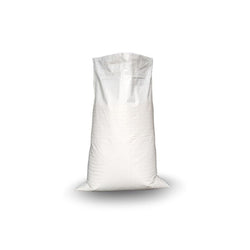 SKU: SB3
Woven Polypropylene - White sandbags - 45 CM x 76 CM
Regular price From $77.95 AUDincl. GSTRegular priceUnit price per -
 SKU: SB2
Woven Polypropylene - White Sandbags - 41 CM x 65 CM
Regular price From $56.95 AUDincl. GSTRegular priceUnit price per -
 SKU: SB
Woven Polypropylene - Sand Bags with tie up - 36 CM x 85 CM
Regular price From $65.95 AUDincl. GSTRegular priceUnit price per -
 SKU: FB
Woven Polypropylene - White Feed/Sand Bag - (37 CM +10 CM) x 80 CM
Regular price From $44.95 AUDincl. GSTRegular priceUnit price per -
 SKU: SB-No Ties
Woven Polypropylene Sand Bags Without Ties – 36 x 85cm
Regular price From $44.95 AUDincl. GSTRegular priceUnit price per$54.99 AUDSale price From $44.95 AUDSale -
 SKU: SB-O
Orange Woven Polypropylene Sandbags 36 x 85 cm, 68 GSM, UV Treated, With Tie
Regular price From $65.95 AUDincl. GSTRegular priceUnit price per -
 SKU: SB-B
Woven Polypropylene - Brown Sand Bags with tie up - 36 CM x 85 CM
Regular price From $63.95 AUDincl. GSTRegular priceUnit price per -
 SKU: SB-S
Woven Polypropylene - Striped Sand Bags with tie up - 36 CM x 85 CM
Regular price From $63.95 AUDincl. GSTRegular priceUnit price per -
 SKU: P-SB-O
Printed Orange Woven Polypropylene Sandbags 36 x 85 cm, 68 GSM, UV Treated, With Tie
Regular price From $72.95 AUDincl. GSTRegular priceUnit price per


Packaging insights
View all articles-
Prepare your business sandbag kit with verified bag sizes, a five-point site checklist, team responsibilities and current SES flood and storm guidance.Read article
-
A practical guide to estimating sandbags per linear metre, choosing the right fill weight and stacking a temporary flood barrier safely.Read article
-
Floodwaters don't wait for preparation. Whether bracing for a major storm event or responding to rising water near your property, sandbags remain one of the most effective, affordable, and widely available flood mitigation tools available to Australian homeowners and businesses. Woven polypropylene sand sacks work by creating a physical barrier that redirects or absorbs water before reaching doors, drainage points, and structural foundations. Deployed correctly, a well-constructed sandbag wall can mean the difference between a manageable cleanup and significant, costly property damage. This guide covers everything needed to use sand bags effectively, from selecting the right bag through to safe disposal once floodwaters recede. Which sandbag should you choose? Not all sand bags suit every application. Choosing the right style upfront saves time under pressure and ensures reliable performance when conditions deteriorate quickly. Standard tie-up sandbags for flood protection Tie-up sand sacks are purpose-built for emergency flood response. Constructed from heavy-duty woven polypropylene with an integrated closure tie, filled bags seat firmly against each other when stacked, reducing gaps that allow water to infiltrate. The benefit: you get a bag that holds position, seals against adjacent bags, and closes securely, without requiring additional fastening equipment on site. Sandbags without ties, faster to fill and stack For high-volume deployments where speed outweighs all else, plain open-top sandbags suit councils, SES units, and property owners pre-stocking ahead of flood season. Once filled and folded at the top, these sand sacks stack securely without individual fastening. The benefit: faster filling, less fatigue per person across large-scale deployments, and no tie material to manage on site. Where to get sandbags Local council sandbag collection points During declared flood emergencies, most Australian councils activate designated sandbag collection depots. Locations shift depending on each event, so monitor your local council's emergency alerts page for updates. Buying sandbags online in Australia Pacific Packaging supplies sand bags direct to homeowners, councils, construction companies, and emergency management organisations across Australia, with warehousing in Melbourne, Brisbane, Sydney, Perth, Townsville, and Rockhampton. How many sandbags do you need? A standard single-row sandbag wall typically requires three to four bags per linear metre of wall, per layer. For a doorway approximately one metre wide with a wall height of 60 cm, roughly three layers, expect between nine and twelve bags per opening. Larger properties with multiple entry points, garage doors, floor drains, and low-lying sections can require 50 to 200 bags or more depending on flood risk level. Pre-calculating requirements before a weather event, rather than estimating under pressure, is strongly recommended. How to fill a sandbag What to fill sandbags with Coarse sand remains the preferred fill material. Particle size between 0.5 mm and 2 mm allows bags to compress and conform to uneven surfaces without fine material washing through the weave under pressure. When sand is unavailable, fine gravel or local soil can substitute, however, clay-heavy soil becomes rigid when wet and doesn't conform as effectively. Whatever material is sourced, avoid fill containing large stones, organic matter, or debris that could puncture bag fabric under sustained load. How full should a sandbag be? Filling bags to approximately two-thirds capacity is correct practice. Overfilled sand sacks become rigid, stack poorly, and leave visible gaps along seams. Under-filled bags lack sufficient mass and shift under water pressure. How to lay sandbags correctly How to build a sandbag wall What you'll need: Filled sand bags, a plastic sheet or tarpaulin as a moisture barrier, and a second person to assist with positioning. Clear debris from the surface where bags will be placed. Loose material beneath bags reduces wall stability significantly. Lay a plastic sheet along the foundation line, water wicks under bags via capillary action, and a barrier reduces seepage considerably. Place first-layer bags lengthways, parallel to water flow, with folded or tied ends tucked beneath each bag. Stagger second and subsequent layers like brickwork, each bag should bridge the join between two bags below. Tamp each bag down firmly by pressing or standing on briefly to eliminate air voids and create a flat, stable surface for layers above. Continue building upward, staggering joints consistently, until reaching the required height. A two-to-three layer wall handles most residential flooding scenarios. Beyond three layers, wall width at the base should increase proportionally to prevent toppling under sustained water pressure. How to use sandbags to block toilets and floor drains Floodwater entering through drainage points is a commonly underestimated entry pathway. When external water levels exceed interior floor height, back-pressure forces water up through toilet bowls, floor gullies, and laundry drains. Fill a sand sack to approximately half capacity, a lighter, more pliable bag conforms better to curved toilet bowl shapes. Lower bags directly into toilet bowls, pressing firmly to seal around ceramic bases. For floor drains and gullies, place a filled sand bag over each drain opening, ensuring full coverage of drain surrounds. Place a second bag on top to add weight, back-pressure from external floodwater can dislodge single bags over time. How to sandbag showers and sinks Floor-level shower recesses and sink drainage points require the same approach as floor drains. Half-filled bags placed over drain openings and weighted with a second bag provide adequate resistance against backflow in most residential flood events. For shower recesses with wall-mounted drainage, pack sand sacks around the perimeter of recesses first, then place bags directly over drain covers. Pay particular attention to any floor penetrations connecting to external drainage lines. Where to place sandbags around your property Where water is approaching from multiple directions, focus resources on building one solid barrier along the primary approach side rather than spreading bags thinly around an entire perimeter. Prioritise entry points in this order: Ground-level doorways Garage doors Sliding door thresholds, and any openings where external ground level sits lower than interior floor level Secondary priorities include subfloor vents, utility penetrations at ground level, and any low-point drainage connections to external stormwater systems. Pairing bags with a continuous plastic sheet or tarpaulin draped from the outer face of the wall and weighted at the base creates a substantially more effective combined barrier than sand sacks used alone. Frequently asked questions Do sandbags actually stop floodwater? Sand bags slow and redirect water rather than stopping flows entirely. Woven polypropylene weave allows minor moisture transfer, pairing bags with a plastic sheet barrier significantly improves performance. For most residential flood events, a correctly constructed two-to-three layer wall provides meaningful protection at entry points when deployed before water arrives. Can sandbags be reused after a flood? Reuse depends on contamination level and bag condition. Bags that held clean fill and show no structural damage can be emptied, cleaned, dried, and stored for future use. Bags that contained floodwater-contaminated fill should be emptied at council-designated disposal sites. What size sandbag is best for home flood protection? A 36 × 85 cm tie-up sand bag is the format most commonly used by Australian emergency services for residential flood response. At two-thirds fill, each bag reaches a workable weight for single-person handling while providing sufficient mass to hold position under moderate water pressure. How far in advance should you prepare sandbags? Pre-season preparation is always preferable. Stocking a supply of empty sand sacks before storm season begins ensures bags are on hand when needed, without competing for limited emergency supplies during an active event.Read article


How to choose an empty sandbag
Pacific Packaging Australia supplies empty woven polypropylene sandbags from 41 x 65 cm through to 36 x 85 cm, with or without tie strings, in white, brown, striped and UV treated orange. Every bag ships flat and unfilled, so you fill on site with the sand, soil or aggregate you already have.
Supplied empty
Bags arrive flat and unfilled, ready to fill on site with sand, soil or aggregate.
Tie or no tie
Tie-up bags include a string for closing the neck. Untied bags fill faster where crews fold the neck under and stack. Spare ties and closures sit under bag accessories.
UV treated option
The orange 68 GSM sandbag is UV treated for work where bags sit exposed for weeks rather than getting cleared away.
Four bag sizes
41 x 65 cm through to 36 x 85 cm, plus a gusseted (37 + 10) x 80 cm bag when you need more volume per bag.
Colour coded
White, brown, striped and high visibility orange help a crew tell sites or fill types apart.
What sandbags are used for
Anywhere you need weight, a temporary barrier or something holding material in place without fixing it down.
Flood response and water diversion
Part filled bags fold flat at the neck and knit into a low barrier that pushes water away from an opening.
Erosion and sediment control
Placed along slopes, kerbs and drainage lines to slow runoff and keep sediment on site.
Construction and roadworks
Ballast for barriers, signage, silt fence and other construction site supplies that need weight rather than a fixing.
Events, marquees and film
Weighting marquee legs, stands, lighting bases and signage on ground you are not allowed to drill.
Storm season stockholding
Councils and contractors keep empty bags on the shelf so filling is the only job left when rain is forecast.
Sandbag sizes and closures
Size sets how much you fill and how well a wall holds together. Smaller bags lift more easily and knit tighter; longer bags cover ground faster. Every size uses the same woven polypropylene sack construction.
| Size | Closure and finish | Best suited to |
|---|---|---|
| 41 x 65 cm | White, no ties | Smaller barriers and repeat hand lifting through a long shift |
| 45 x 76 cm | White, no ties | General purpose ballast and site work |
| 36 x 85 cm | White, with tie up | The standard flood response length, closed at the neck |
| 36 x 85 cm | White, without ties | Fast filling where the neck is folded under rather than tied |
| 36 x 85 cm | Brown or striped, with tie up | The same length in an alternative colour for job separation |
| 36 x 85 cm | Orange, 68 GSM, UV treated, with tie | High visibility work and bags left out in the sun |
| (37 + 10) x 80 cm | Gusseted, no ties | Extra volume per bag from the side gusset |
Frequently asked questions
Do these sandbags come filled with sand?
No. Every bag in this range is supplied empty and flat. Buying empty keeps freight cost down and lets you hold stock through the year rather than ordering once water is already rising.
How full should I fill a sandbag?
Part fill rather than pack tight. A bag filled to around two thirds folds flat at the neck, moulds to the bag underneath and knits into a stable wall. A tightly packed bag stays round, rolls under load and leaves gaps that water finds.
Which sandbag size should I order?
36 x 85 cm is the standard length for flood barriers and general ballast. Choose 41 x 65 cm or 45 x 76 cm when bags get lifted by hand repeatedly, and the gusseted (37 + 10) x 80 cm bag when you want fewer, larger bags. Past what a crew can hand fill, bulk bags take the same material by the tonne.
What customers say
Verified reviews for Pacific Packaging Australia are collected and displayed via Trustpilot.
Read reviews on Trustpilot →